
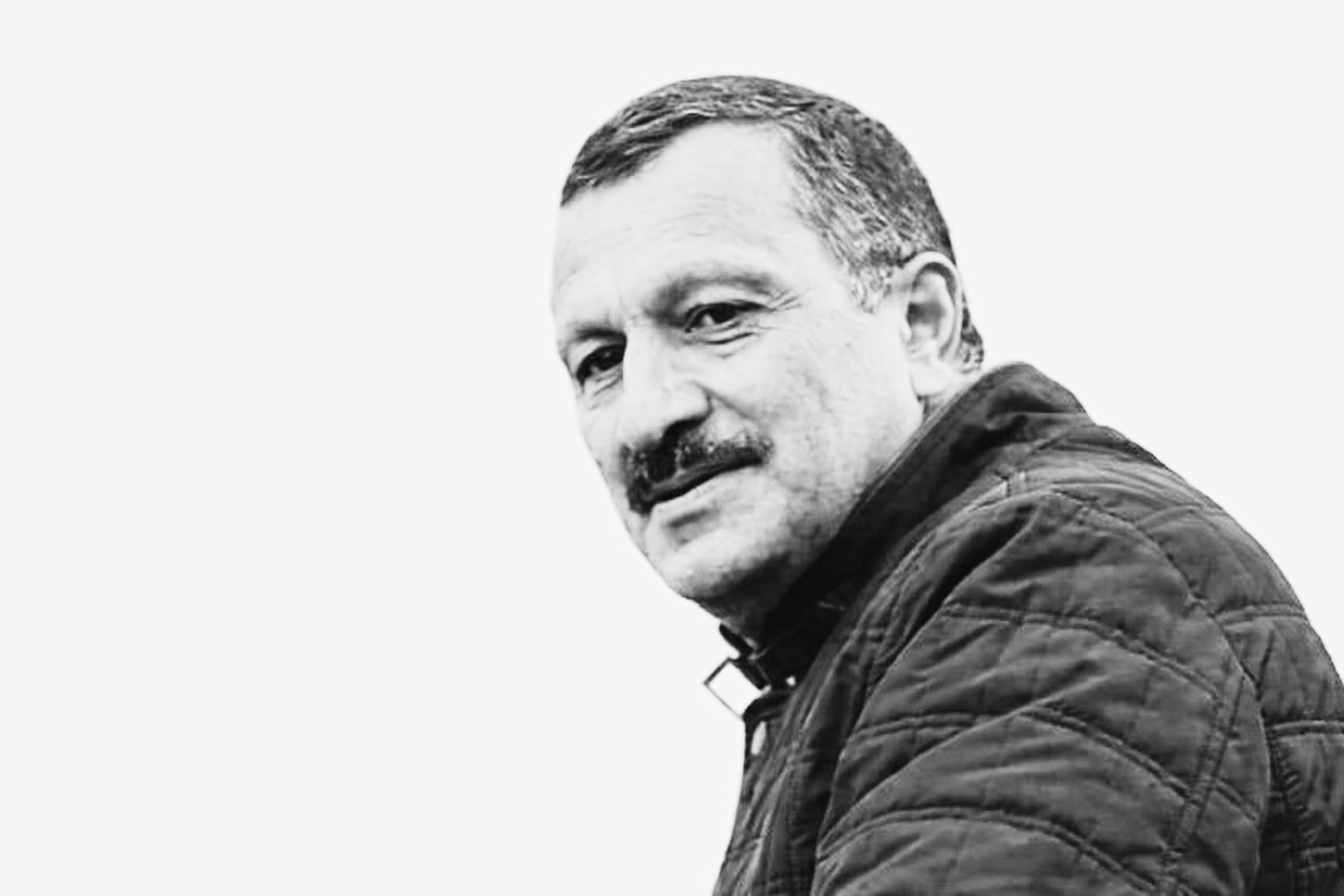
Tofig Yagublu
is a political leader who was sentenced to 9 years imprisonment on 10 March, 2025
-
CASE STATUSConvicted
-
IMPRISONED INBaku Pre-Trial Detention Facility
-
GROUPPolitical leader
-
Date of Birth: 06 February 1961
Detained Since: 14 December 2023
Affiliation: a long-standing opposition politician, member of the Musavat Party, senior politician in the National Council of Democratic Forces (Milli Şura), and former journalist/columnist.
Charges:
-
Fraud causing substantial damage (Art. 178.3.2 )
-
Forgery/unlawful preparation of official documents granting rights (Art. 320.1)
-
Informed use of forged official documents (Art. 320.2)
Conviction and Sentence:
On 10 March 2025, Tofig Yagublu was sentenced by the Baku Assize Court to 9 years’ imprisonment by the Baku Assize Court. On 20 May 2025, the Baku Court of Appeal upheld that judgment unchanged.
Political Prisoner Status:
His detention meets criteria (a) and (e) of PACE Resolution 1900 (2012):
-
Violation of freedom of expression and the right to freedom of association, as well as the right to a fair trial and to liberty and security under the ECHR.
-
His prosecution is politically motivated and aimed at silencing him for his opposition political activity and persistent criticism of the Azerbaijani authorities.
Summary:
Tofig Yagublu is an Azerbaijani opposition politician, a member of the Musavat Party, a senior figure in the National Council of Democratic Forces (Milli Şura), and a former journalist/columnist. He is a prominent and long-standing critic of the Azerbaijani government and has repeatedly been targeted in politically sensitive prosecutions.
He was detained on 14 December 2023 and, on 15 December 2023, was formally charged under Articles 178.3.2, 320.1 and 320.2 of the Criminal Code. According to the prosecution, he and a co-accused allegedly obtained 25,000 euros and 10,000 manat from a complainant on the false promise of arranging Germany-related residence or citizenship documentation, and allegedly prepared and used forged papers in connection with that scheme. The allegations lack credibility and are widely regarded as fabricated and politically motivated.
His prosecution is widely viewed as part of Azerbaijan’s broader crackdown on opposition figures, independent media, and civil society. Amnesty International described him as a prominent opposition figure and persistent government critic arrested on spurious fraud and forgery charges. Human Rights Watch likewise linked his arrest to the broader pattern of repression against critics of the government.
The conviction was based primarily on the complainant’s statements, partially incriminating testimony from the co-accused, WhatsApp communications, phone records, cell-site location data, search-and-seizure materials from his home, and expert reports. Yagublu consistently denied guilt, stated that the money found in his home had been planted, and maintained that he had been attending a National Council meeting at the relevant time. The courts rejected his alibi and the supporting testimony of defense witnesses, dismissing them as self-serving and instead relying heavily on prosecution-generated materials.
The proceedings were marked by serious fair trial concerns. Defense evidence was not examined with proper independence, substantial defense motions were not granted, and the courts failed to critically scrutinize the integrity of the search process or the broader political context of the case. The appellate court expressly rejected the argument that the prosecution was linked to Yagublu’s political activity, treating his public profile as irrelevant.
Yagublu’s case reflects the wider wave of political repression in Azerbaijan since 2022–2023, in which opposition politicians, civic activists, journalists, NGO workers, and critics of the authorities have been prosecuted on criminal charges widely regarded as retaliatory. His long public profile, repeated previous arrests, and the pattern of state action against him strongly support the conclusion that his prosecution serves a broader deterrent and punitive function against dissent.
International human rights organisations, including Amnesty International and Human Rights Watch, have denounced his arrest and conviction as politically motivated and unjust.
Download full legal analysis here as PDF