
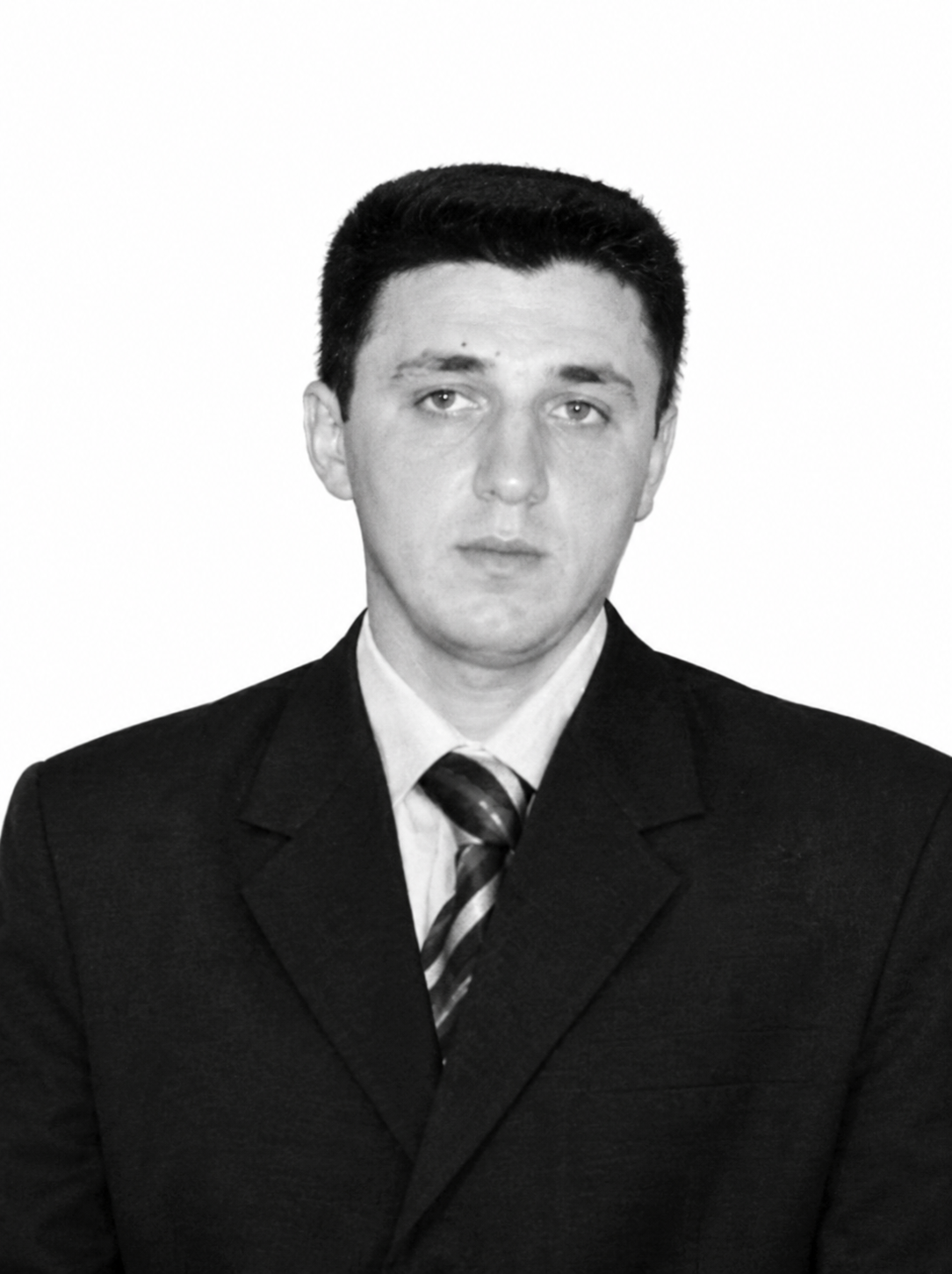
Rasim Mustafayev
is prosecuted in connection with the 2018 Ganja case involving Yunis Safarov. He was sentenced to a 20-year term of imprisonment
-
CASE STATUSConvicted
-
DETAINED INSpecial-regime penitentiary institution
-
GROUPGanja case
Date of Birth: 6 November 1980
Detained Since: 8 July 2018
Affiliation: No formal political affiliation; prosecuted in connection with the 2018 Ganja case involving Yunis Safarov. Before his arrest, he was self-employed and had no previous convictions.
Charges:
- Attempted aggravated murder (Arts. 29, 120.2.1, 120.2.3, 120.2.4, 120.2.7 and 120.2.11)
- Preparation for terrorism (Arts. 28, 214.2.1, 214.2.3 and 214.2.6)
- Terrorism (Arts. 214.2.1, 214.2.3 and 214.2.6)
- Illegal acquisition, transfer, sale, storage, transportation or carrying of firearms, ammunition and explosives by an organized group (Art. 228.3)
- Illegal manufacture or repair of firearms or their components, or manufacture of ammunition or explosives by an organized group (Art. 229.3)
- Preparation for an attack on the life of a State or public figure (Arts. 28 and 277)
- Attack on the life of a State or public figure (Art. 277)
- Forcible seizure or retention of State power or forcible alteration of the constitutional order (Art. 278)
- Forcible alteration of the constitutional order or seizure of power on grounds of religious hostility, radicalism or fanaticism (Art. 278.2)
- Participation in attacks by an unlawful armed formation or group resulting in death or other grave consequences (Art. 279.3)
Conviction and Sentence:
On 16 August 2021, the Baku Assize Court found Rasim Mustafayev guilty and sentenced him to a final term of 20 years’ imprisonment in a strict-regime penitentiary institution, calculated from 9 July 2018. The Baku Court of Appeal upheld the judgment on 15 April 2022, and the Supreme Court subsequently left the convictions and sentences unchanged.
Political Prisoner Status:
His imprisonment meets criteria (c) and (e) of PACE Resolution 1900 (2012):
- (c) The 20-year sentence appears clearly disproportionate to the conduct individually and reliably established against him. He was not shown to have participated directly in Safarov’s attack but was held responsible for an extensive alleged terrorist and anti-State conspiracy.
- (e) The proceedings were affected by serious fair-trial deficiencies, including allegations of torture and fabricated evidence, rejected defence motions, unresolved evidentiary contradictions and insufficient individualization of criminal responsibility.
Summary:
Rasim Mustafayev is an Azerbaijani citizen from Ganja who was detained on 8 July 2018, several days after Yunis Safarov shot the then head of the Ganja City Executive Authority, Elmar Valiyev. Although Mustafayev was not accused of participating in the shooting, being present at the attack or personally committing violence that day, the prosecution treated him as a member of an alleged organized terrorist group connected to Safarov.
Mustafayev pleaded not guilty and stated that he was in Baku when the attack occurred. He alleged that investigators subjected him to severe torture, including electric shocks, causing him to sign documents placed before him. He also denied ownership of a Makarov-type pistol allegedly discovered in his apartment and maintained that it had been planted. The investigation was unable to establish where or from whom the pistol had been obtained, and ballistic testing did not connect it to Safarov’s attack or another identified offence.
Serious concerns arose regarding the reliability and individualization of the evidence. The prosecution relied on Mustafayev’s historical association with Safarov, equipment stored at his home years earlier, the disputed pistol and other circumstantial material to establish participation in a much broader conspiracy. Safarov himself maintained that he had acted on his own initiative and that the other defendants had not planned the attack with him. Nevertheless, the court accepted the organized-group theory and imposed the 20-year sentence sought by the prosecutor.
Mr. Mustafayev’s case is regarded as part of the broader pattern of politically instrumental prosecutions arising from the 2018 Ganja events. His association with Safarov and disputed evidence were used to attribute responsibility for an extensive terrorist and anti-State conspiracy despite his absence from the attack, allegations of torture and significant unresolved evidentiary questions. Human-rights defenders continue to list Rasim Mustafayev as a political prisoner.