
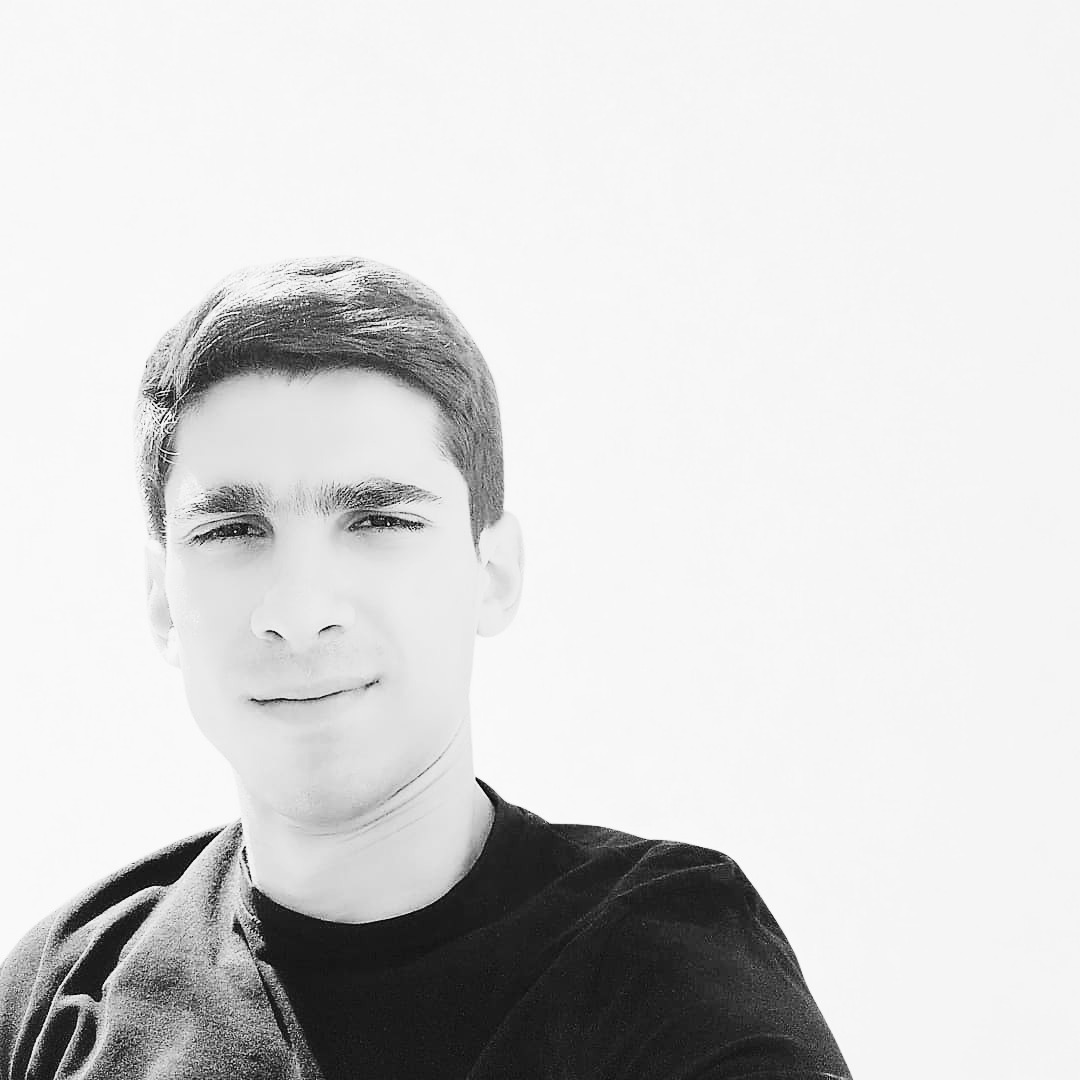
Elbeyi Kerimli
was a member of the opposition Popular Front Party of Azerbaijan (AXCP/PFPA). He died in prison on 12 December 2025, while serving his sentence, in circumstances that remain unclear.
-
CASE STATUSConvicted
-
IMPRISONED INDied while serving his sentence
-
GROUPParty member
Date of Birth: 20 January 2001
Detained Since: 18 August 2023
Affiliation: Young opposition activist and member of the Popular Front Party of Azerbaijan (AXCP/PFPA)
Charges:
- Illegal acquisition, possession, and transportation of narcotic drugs in a large quantity with intent to sell (Article 234.4.3 of the Criminal Code)
- On appeal, the court found that the intent to sell element had not been proven, reclassified the offense under Article 234.1-1, and reduced the sentence.
Conviction and Sentence:
On 2 April 2024, Elbeyi Karimli was sentenced to 6 years’ imprisonment by the Baku Assize Court under Article 234.4.3 of the Criminal Code. On 6 June 2024, the Baku Court of Appeal reclassified the charge to Article 234.1-1, removed the intent to sell element, and reduced the sentence to 5 years’ imprisonment. On 1 May 2025, the Supreme Court of Azerbaijan upheld the appellate ruling. He died in custody on 12 December 2025 while serving his sentence.
Political Prisoner Status:
His detention meets criteria (a) and (e) of PACE Resolution 1900 (2012):
- Violation of freedom of expression and association, as well as the right to a fair trial and liberty and security under the ECHR.
- His prosecution was politically motivated and aimed at punishing him for his opposition activity and political expression.
Summary:
Elbeyi Karimli was a young Azerbaijani opposition activist affiliated with the Popular Front Party of Azerbaijan (AXCP/PFPA). His case was widely regarded as politically motivated and linked to his having written “Stalin” on the pedestal of a Heydar Aliyev monument in Baku, an act of symbolic political protest.
He was detained on 18 August 2023 and accused under Article 234.4.3 of the Criminal Code after police alleged that 30.135 grams of heroin had been found on him. The prosecution presented the case as one involving possession of narcotics with intent to sell. However, on appeal, the court concluded that the evidence did not establish any intent to sell and reclassified the charge under Article 234.1-1, while maintaining the conviction.
On 2 April 2024, he was sentenced to 6 years’ imprisonment, which was reduced to 5 years on 6 June 2024 by the Baku Court of Appeal. The Supreme Court upheld that decision on 1 May 2025. He remained in custody throughout and died in prison on 12 December 2025, in circumstances that remain unclear. Public reports described an apparent suicide in the medical unit of Penal Colony No. 2; the Justice Ministry confirmed his death and an investigation was reportedly opened, but no public findings appear to have been released.
The case relied predominantly on police-generated procedural materials, including arrest and search records, police testimony, video-recorded search materials, forensic reports, and early incriminating statements attributed to Mr. Karimli. He later retracted those statements and maintained that they had been extracted under coercion, threats, and beatings. He stated that narcotics had been planted on him and that he had been pressured to incriminate himself. The defense further argued that his allegations of torture were not effectively investigated, that the role of the state-appointed lawyer was merely formal, and that the pre-trial detention order was issued on formalistic grounds.
Despite these claims, the courts consistently accepted the police version of events and did not subject the prosecution’s case to meaningful adversarial scrutiny. Even after the appellate court found that the most serious element of the accusation had not been proven, it still treated the same body of state-generated evidence as sufficient to sustain conviction on the lesser narcotics charge.
Mr. Karimli’s case forms part of a broader pattern in Azerbaijan in which drug charges are used against opposition activists, youth activists, and government critics. Public reporting linked his prosecution to earlier politically motivated narcotics cases and to a wider crackdown on civil society, independent media, and opposition structures that intensified from 2022 onward.
International and independent observers regarded the allegations against him as fabricated and politically motivated, aimed at punishing dissent, suppressing opposition activism, and deterring public protest. Since he died in custody on 12 December 2025, he should be regarded as having been a political prisoner at the time of his death.